10 Screen-Free Teen Programs That Actually Work in Libraries
If you work in a public library, you already know the challenge: teens show up, sink into a chair, and disappear into their phones. Getting them to engage with programming — let alone each other — can feel like an uphill battle. But the right teen library programs can change that dynamic completely.
The good news is that screen-free programming does not have to mean boring programming. The ideas below have been tested in real library settings with real teenagers, and they work because they tap into what teens actually want: agency, social connection, and the feeling that they are doing something that matters.
Here are ten screen-free teen programs that consistently draw attendance and keep teens coming back.
1. Live-Action Roleplaying (LARP) Adventures
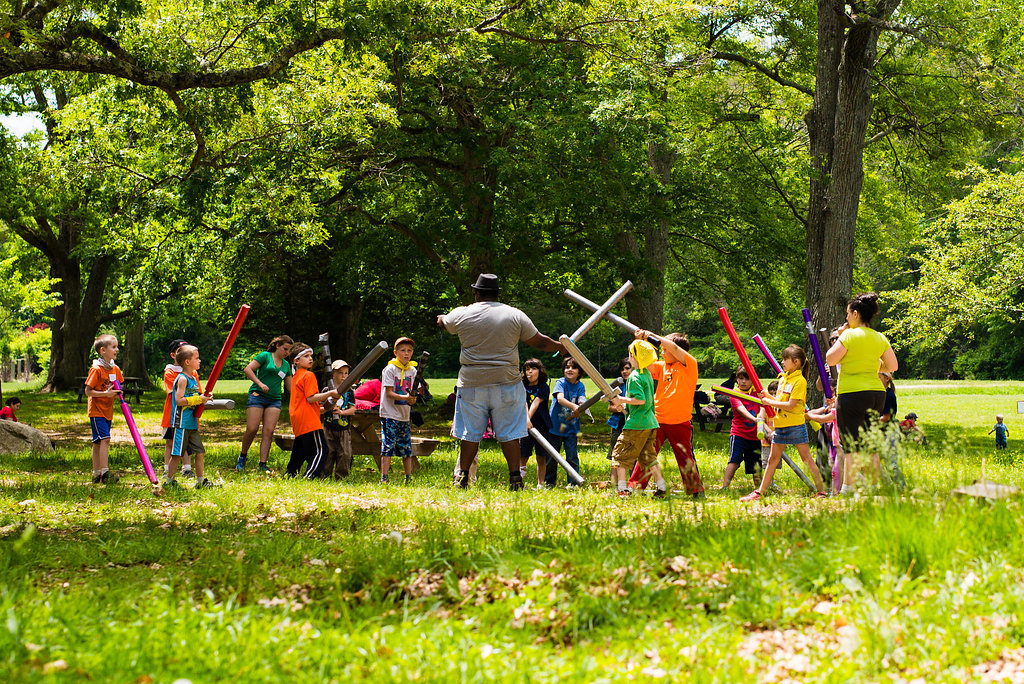
LARP might sound niche, but it is one of the most effective teen library programs available today. Teens step into characters, work as a team, and solve problems through creativity and collaboration — no screens required.
Organizations like Mastermind Adventures offer turnkey LARP programs designed specifically for libraries through their Quest! Live Roleplaying program. A facilitator handles everything: storyline, props, safety rules, and group management. Your role is providing the space.
Space: Large meeting room or outdoor area (minimum 30x30 feet) Group size: 8-25 teens Prep: Minimal if using an outside facilitator; moderate if running in-house Budget tip: Many state library systems offer programming grants that cover outside facilitators
2. Tabletop RPG Nights
Dungeons & Dragons and similar tabletop roleplaying games have surged in teen popularity. A weekly or biweekly RPG night gives teens a reason to return consistently, which is gold for any YA librarian tracking program attendance.
You can recruit volunteer game masters from local gaming stores, or bring in a professional facilitator. Tabletop Adventures from Mastermind Adventures provides trained game masters who run age-appropriate campaigns with built-in social-emotional learning objectives — useful if you need to justify the program to administration.
Space: One table per group of 4-6 players, plus a GM Group size: 4-6 per table (run multiple tables for larger groups) Prep: Dice sets, character sheets (free online), pencils. That is it. Budget tip: Ask your Friends of the Library group to fund a starter kit — about $30 covers dice and a basic rulebook
3. Zine-Making Workshops
Zines are having a moment, and teens love them. Provide cardstock, markers, old magazines for collage, and a long-arm stapler. Teach basic zine folding techniques and let teens create on any topic they want.
The format works for single sessions or multi-week series. Display finished zines in your teen area to build program visibility.
Space: Craft tables with good lighting Group size: 6-20 Prep: Gather supplies, print folding instruction sheets, prepare a few example zines Budget tip: Ask for magazine donations from patrons; dollar store supplies work perfectly
4. Worldbuilding and Creative Writing Circles
Teens who love fantasy, sci-fi, or fan fiction will jump at structured worldbuilding workshops. Unlike traditional creative writing programs, worldbuilding gives teens a collaborative framework — they are creating a shared universe, not sitting alone with a blank page.
Mythmakers is a dedicated worldbuilding program where teens collaborate to create entire universes, develop characters, and craft stories together. Programs like this work especially well as multi-week series where each session builds on the last, giving teens a reason to commit.
Space: Standard meeting room with writing surfaces Group size: 6-15 (small enough for real collaboration) Prep: Writing prompts, worldbuilding worksheets, whiteboard or large paper for mapping Budget tip: Free worldbuilding templates are available from dozens of RPG communities online
5. Escape Room Challenges
You do not need a commercial escape room setup. Build puzzle boxes and challenges using library materials, locks from the hardware store, and printed clues. Teens work in teams against a timer.
Design puzzles that require using library resources — the catalog, reference books, even the Dewey Decimal System. You get teen engagement and information literacy practice in one package.
Space: One room that can be “locked” (or a section you can rope off) Group size: 4-8 per run (schedule multiple time slots) Prep: High for the first time; reusable after that Budget tip: Many escape room kits are available through library supply vendors for under $50
6. Debate and Discussion Clubs
Teens have opinions. Give them a structured place to voice them. Format options include formal debate, Socratic seminar, philosophical chairs, or casual “hot take” discussions on YA books, current events, or ethical dilemmas.
The key is structure. Teens need clear rules of engagement (time limits, no interrupting, steel-manning the opposing view) to feel safe enough to participate.
Space: Chairs in a circle — nothing fancy Group size: 8-20 Prep: Select topics in advance, print any discussion frameworks, prepare moderator questions Budget tip: Completely free to run
7. Maker Challenges with Recycled Materials
Give teams a bag of random materials (cardboard, tape, string, newspaper) and a challenge: build the tallest tower, the strongest bridge, or the best catapult. These engineering challenges are loud, messy, and exactly what teens want.
Tie challenges to STEM learning objectives if you need to justify the mess to facilities staff.
Space: Tables with room to spread out; floor space helps Group size: 10-30 (teams of 3-5) Prep: Collect recyclables, define challenges, set up judging criteria Budget tip: Materials come from your recycling bin
8. Art Workshops with Local Artists
Partner with local artists, art students, or community art centers to offer workshops in drawing, painting, printmaking, or sculpture. Teens respond well to learning from working artists rather than staff members — the “expert factor” matters at this age.
Rotate media and artists each month to keep things fresh and expose teens to different creative disciplines.
Space: Tables with protective covering, access to a sink Group size: 8-15 (depends on the medium) Prep: Coordinate with artist on materials and setup needs Budget tip: Many artists will work for portfolio exposure plus materials cost; check with local college art departments for student volunteers
9. Murder Mystery Events
A well-run murder mystery night can pack your teen space. Assign characters in advance so teens can prepare, or go with an improvised format where everyone gets a character card at the door.
This format naturally encourages interaction between teens who might not otherwise talk to each other. It is also an excellent gateway to your LARP and RPG programming — teens who enjoy murder mysteries often become regulars at immersive story programs.
Space: Multiple rooms or areas for “scenes” ideal, but one large room works Group size: 12-30 Prep: Script or scenario, character cards, optional props and costumes Budget tip: Free murder mystery scripts are available online; customize them with library or local history themes
10. Board Game Tournaments
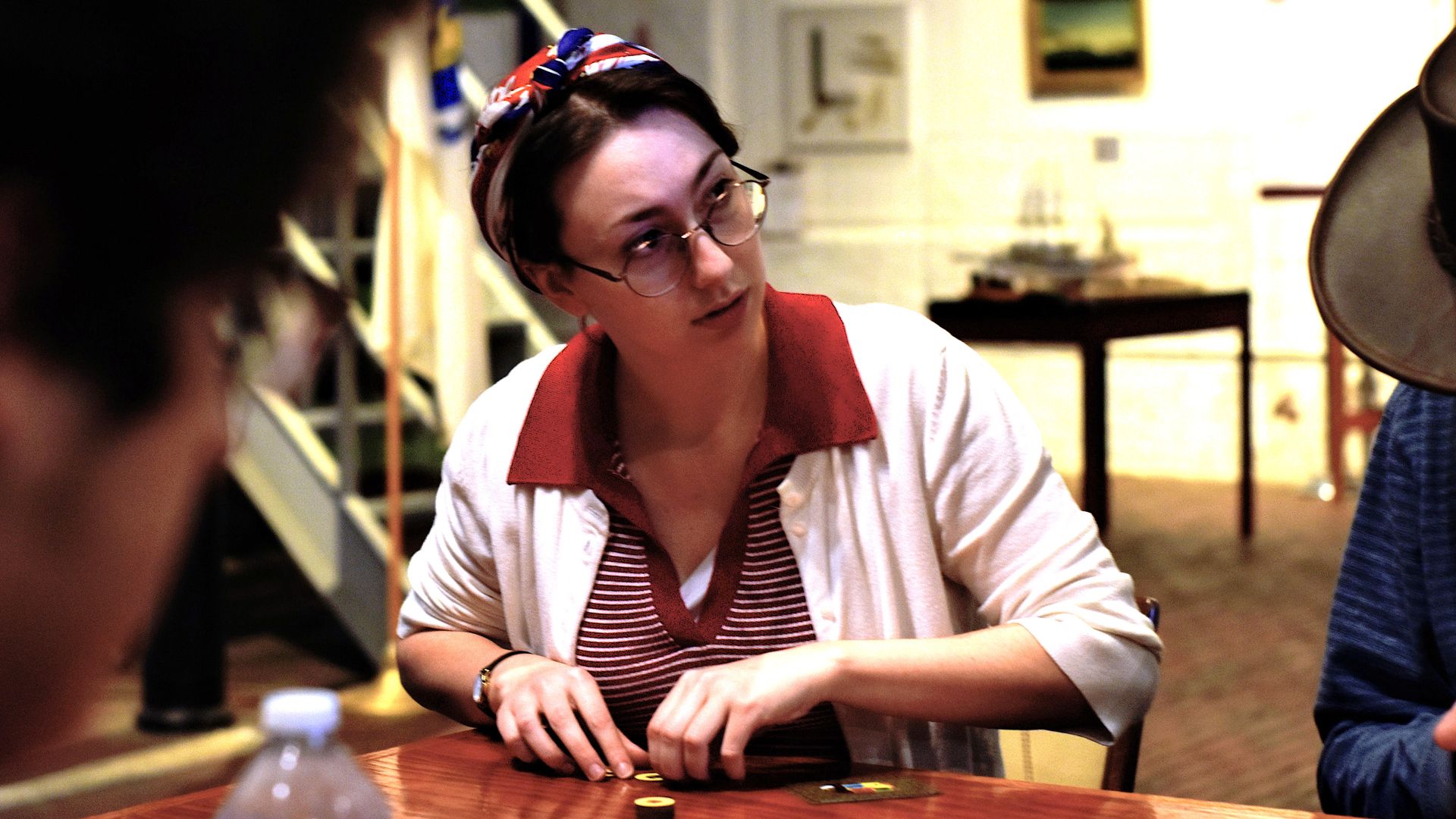
Sometimes simple is best. A well-organized board game tournament with brackets, prizes, and snacks can draw teens who would never attend a “program.” Use strategy games (Settlers of Catan, Ticket to Ride, Codenames) rather than party games to attract repeat attendees who want to improve.
Space: Tables and chairs Group size: 8-32 (depending on game and bracket style) Prep: Game collection, bracket sheets, prizes Budget tip: Board game cafes sometimes donate retired games; ask patrons to donate gently used ones
Making It Sustainable
The biggest challenge with teen library programs is not the first session — it is the fifth. Here are three things that keep teens returning:
Consistency beats novelty. A weekly RPG night with the same group builds community faster than a monthly one-off event. Teens need routine.
Let teens lead. By session three, your most engaged teens should be helping run things. Teen advisory boards that actually influence programming (not just rubber-stamp staff decisions) create ownership.
Track what works. Count bodies in seats, but also track return rates. A program that draws 8 repeat attendees is more valuable than one that draws 20 one-timers.
Bringing It All Together
If you are looking to test any of the immersive programs mentioned above — LARP adventures, tabletop RPG sessions, or worldbuilding workshops — without building them from scratch, check out our library programs page to see how Mastermind Adventures partners with libraries across Massachusetts. We handle the facilitation so you can focus on what you do best: connecting teens with experiences that matter.