How Immersive Learning Builds Critical Thinking Skills
When your child faces a locked door in a fantasy castle, they don’t have a teacher standing nearby with the answer key. They have their teammates, their character’s abilities, and their own ingenuity. The lock might respond to a clever riddle, a specific gesture, or a collaborative effort that requires three people working in sync. There’s no single “correct” approach—just consequences that unfold based on the choices they make.
This is the heart of immersive learning, and it’s fundamentally different from the way most educational content gets delivered. Instead of absorbing information to recall later, students engage with challenges that demand immediate analysis, creative solutions, and strategic thinking. The critical thinking skills they develop aren’t abstract concepts discussed in a classroom. They’re survival tools for navigating scenarios where the stakes feel real, even when they’re fictional.
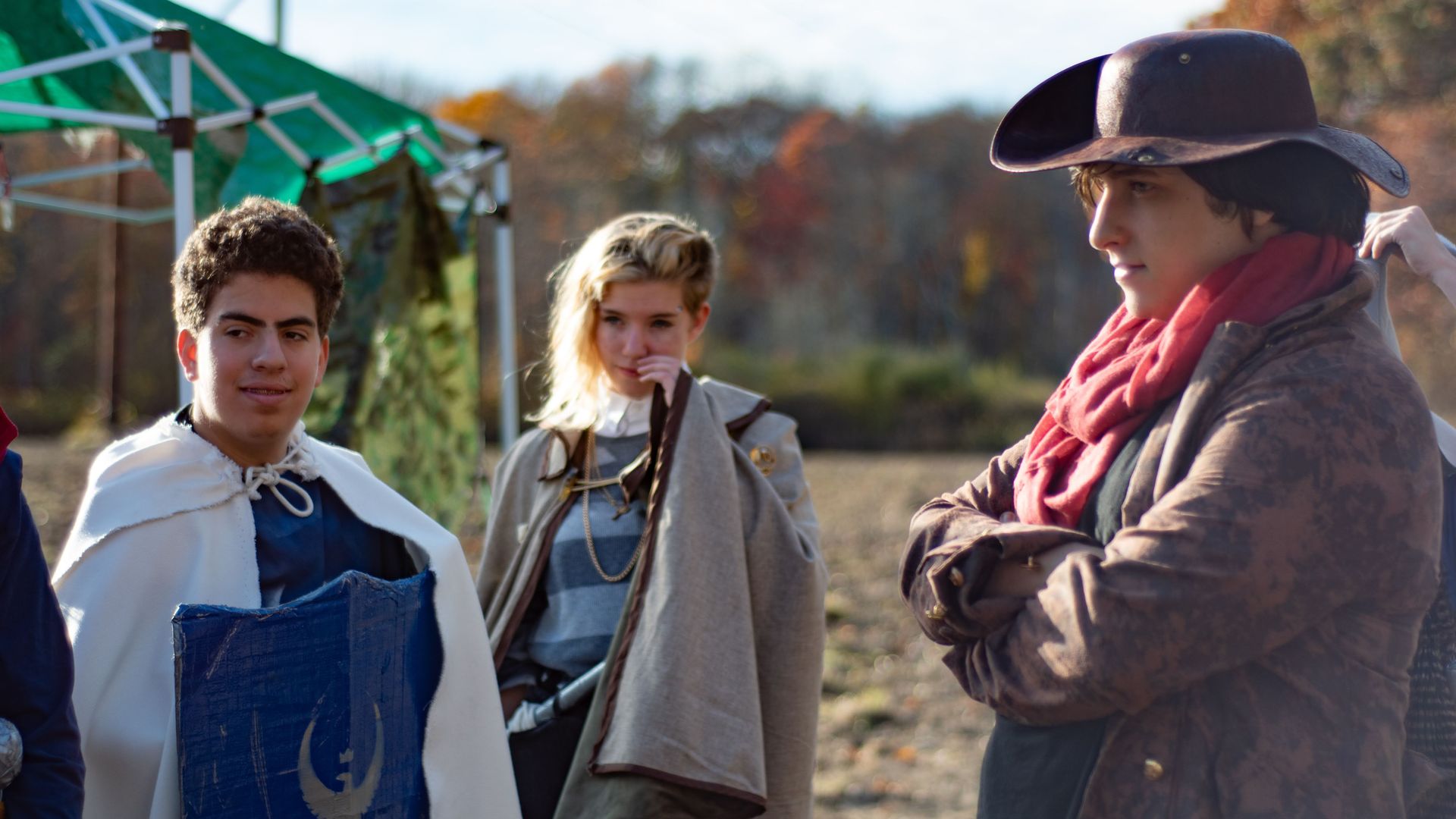
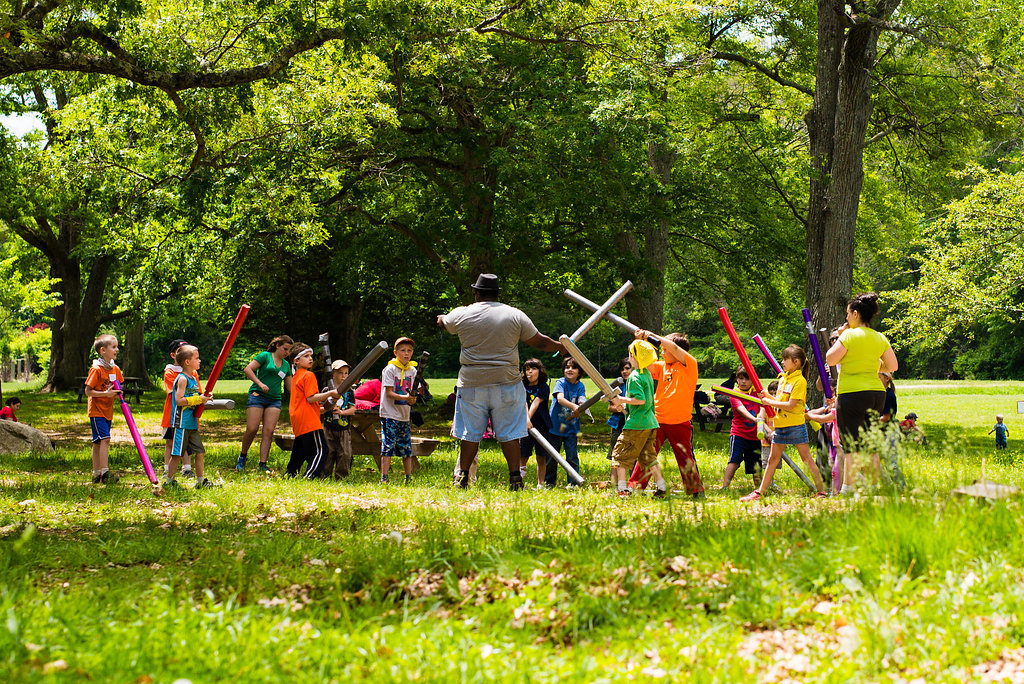
We see this transformation regularly in our programs throughout Fall River and Southeastern Massachusetts. A student who struggles to focus during traditional lessons becomes intensely analytical when tracking clues during a mystery quest. Another who rarely speaks up in class confidently proposes tactics when their LARP team faces an impossible challenge. The difference isn’t the student—it’s the learning environment.
The Immediate Feedback Loop of Immersive Scenarios
Traditional education often separates action from consequence. You take a test, wait days for results, and by then you’ve moved on to new material. Immersive learning collapses this timeline. When students make a decision during a Quest! Live Roleplaying session, they see the outcome within minutes, sometimes seconds.
This immediate feedback creates a powerful learning mechanism. A group decides to sneak past guards rather than negotiate—they discover whether their stealth approach works or if they’ve triggered an alarm. They adjust their thinking on the spot, weighing new information against their original assumptions. This rapid iteration builds analytical habits that transfer far beyond the game.
The cognitive load is significant but manageable. Students process sensory information, evaluate options, predict consequences, and execute decisions while monitoring their team’s reactions. They’re exercising the same executive functions that help them tackle complex math problems or write persuasive essays, but the engagement level keeps them pushing through challenges instead of shutting down when things get difficult.
What makes this especially effective is the emotional investment. When students care about the outcome—whether that’s saving a fictional village or completing their character’s personal quest—their brains encode the lessons more deeply. The critical thinking patterns they develop become associated with achievement and satisfaction rather than obligation.
Multi-Perspective Problem Solving Through Character Play
Adopting a character’s perspective forces students to think beyond their default patterns. A naturally cautious student playing an impulsive warrior must consider: what would this character do? They can’t fall back on familiar responses. They must analyze the situation through someone else’s values, knowledge limitations, and motivations.
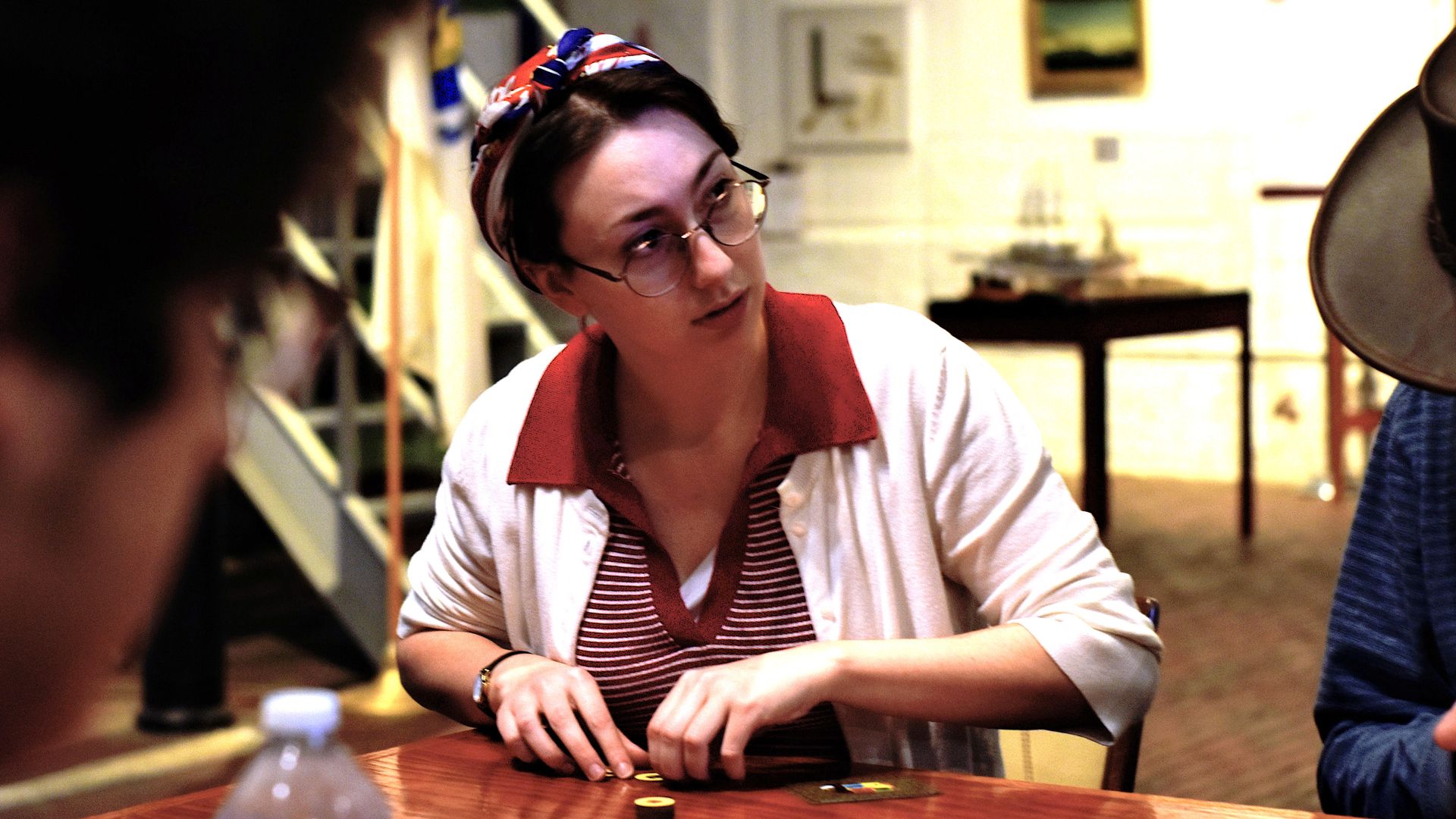
This perspective-shifting is cognitive gymnastics. Students learn to hold multiple viewpoints simultaneously, understanding why different characters might interpret the same information differently. During tabletop sessions, we watch students debate strategy by genuinely arguing from their characters’ positions—the scholarly wizard sees patterns where the street-smart rogue sees dangers, and both perspectives contribute to better solutions.
The process mirrors the kind of critical analysis you want students applying to literature, history, or scientific debates. They’re learning to recognize that intelligent people can disagree based on different information or priorities, and that the best answers often synthesize multiple viewpoints. A student who masters this in-game becomes more thoughtful in classroom discussions, better at peer collaboration, and more open to revising their initial conclusions.
Character limitations also force creative problem-solving. When you can’t solve every challenge through brute force or magic, you look for alternative approaches. Students discover that observation, social manipulation, and environmental awareness are equally powerful tools. They learn to assess situations comprehensively rather than defaulting to their strongest skill.
Analyzing Systems and Recognizing Patterns
Immersive games present complex systems with interconnected elements—political factions, economic resources, magical rules, physical terrain. Students must understand how these systems work to navigate them effectively. They observe patterns, test hypotheses, and refine their understanding based on results.
Consider a Tabletop Adventures campaign where students realize that certain monsters appear near water sources. They didn’t receive this information directly—they noticed it through careful attention to the game master’s descriptions. Now they’re extrapolating: if true, they can predict enemy locations and plan accordingly. If wrong, they’ll adjust their theory with new data.
This experimental thinking mirrors scientific method. Students form hypotheses, gather evidence, test predictions, and revise their models. They’re learning that understanding systems requires active investigation rather than passive receipt of facts. The game rewards observation and pattern recognition, so students develop habits of noticing details and connecting them to larger frameworks.
The complexity gradually increases as students become more sophisticated. Early adventures might have straightforward cause-and-effect relationships. Later scenarios introduce second-order consequences, competing incentives, and partial information. Students learn to make decisions despite uncertainty, weighing probabilities and managing risk—essential skills for navigating real-world complexity.
Collaborative Critical Thinking Under Pressure
Individual critical thinking matters, but most real-world challenges require team analysis. Immersive learning excels at creating scenarios where groups must think together under time pressure. Your child isn’t just solving problems—they’re learning to contribute to collective problem-solving while processing other people’s insights in real-time.
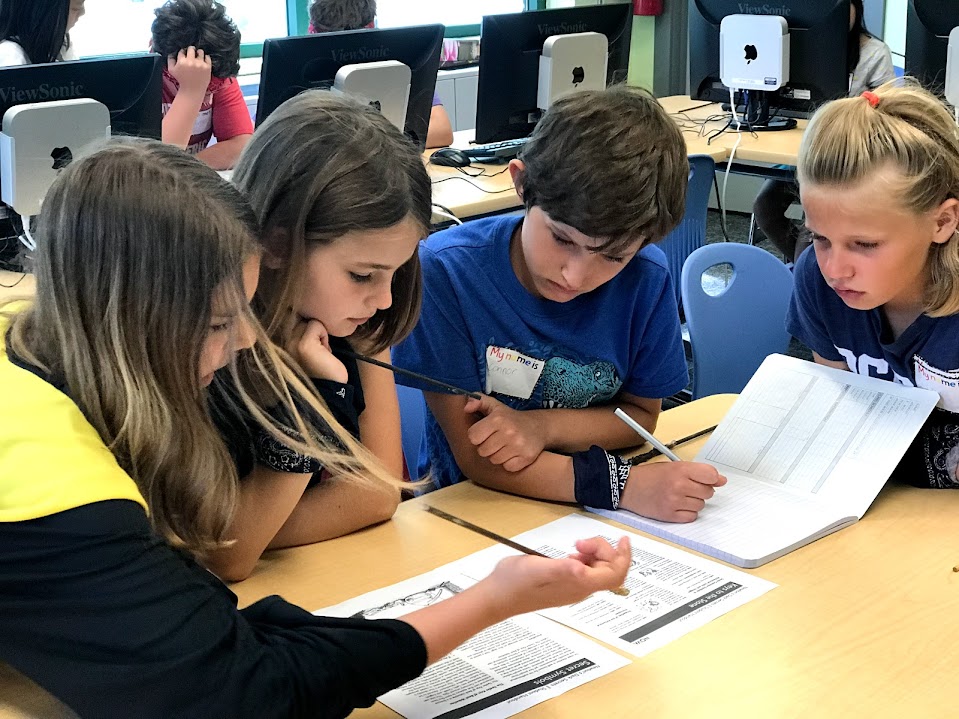
During intense moments in our programs, you see students naturally dividing cognitive labor. One focuses on immediate tactical concerns while another thinks three steps ahead. Someone monitors team resources while someone else tracks enemy positions. They’re learning to trust others’ analysis while contributing their own, creating outcomes no individual could achieve alone.
The social dimension adds layers of complexity. Students must communicate their reasoning clearly enough for others to build on it. They practice listening to ideas they initially disagree with, evaluating proposals on merit rather than dismissing them reflexively. They learn when to defer to expertise and when to advocate for overlooked considerations.
Conflict becomes a learning opportunity rather than a program disruption. When two students propose contradictory strategies, they must articulate their reasoning, examine assumptions, and sometimes run mini-experiments to test which approach works better. They’re learning that disagreement can sharpen thinking rather than derail it—a lesson many adults still struggle with.
Consequence Literacy and Decision-Making Skills
Every choice in immersive learning creates ripples. Students can’t memorize the “right answers” because the scenarios adapt based on their decisions. They must develop consequence literacy—the ability to anticipate how current choices might affect future options.
This forward-thinking becomes increasingly sophisticated. Beginning students might only consider immediate consequences: “If I attack this creature, it will attack back.” More experienced players track second and third-order effects: “If we defeat this creature loudly, we’ll alert nearby enemies, but if we avoid it, we’ll miss gathering important information.” They’re building mental models of complex causation.
The semi-permanent nature of choices in ongoing campaigns raises the stakes. Decisions made weeks ago still matter. Students who rushed through an early encounter without gathering information find themselves underprepared for later challenges. Those who invested time building relationships with non-player characters discover unexpected allies. They’re learning that thoughtful analysis now creates advantages later—a pattern directly applicable to academic planning, project management, and life decisions.
Importantly, students also learn to adapt when consequences aren’t what they predicted. Plans fail. Unexpected complications emerge. Instead of freezing or giving up, they process new information and pivot. This resilience—continuing to think critically when circumstances shift—may be the most valuable skill immersive learning develops.
Transferable Thinking Patterns for Academic Success
The critical thinking skills students develop through immersive experiences don’t stay confined to game scenarios. We regularly hear from parents whose children apply quest-solving strategies to school projects or use character-analysis techniques when discussing literature. The cognitive patterns transfer because they’re fundamentally about how to approach complex challenges.
A student who learned to gather information before making decisions in a Hero’s Journey campaign applies the same approach to research papers—investigating thoroughly before committing to a thesis. Another who practiced evaluating trade-offs between competing options during tactical planning uses similar analysis when prioritizing study time across subjects.
The metacognitive awareness matters too. Students who regularly debrief their in-game decisions—discussing what worked, what didn’t, and why—develop habits of reflecting on their thinking processes. They become conscious of their analytical strengths and blind spots, better able to self-correct and seek help when needed.
These aren’t skills you can teach through lectures or worksheets. They develop through repeated practice in meaningful contexts, with genuine challenges that require thoughtful solutions. Immersive learning provides those contexts consistently, creating hundreds of opportunities for students to exercise and strengthen their critical thinking muscles.
Developing Critical Thinkers Through Meaningful Experience
Critical thinking isn’t a switch you flip or a lesson you teach once. It’s a constellation of habits, skills, and dispositions that develop through repeated practice in environments that demand analytical rigor. Immersive learning creates those environments naturally, wrapping cognitive challenges in engaging narratives that keep students invested in finding real solutions.
If you’re looking for educational experiences that build these deeper capabilities—programs where your child doesn’t just learn content but develops the thinking skills to tackle novel challenges—immersive approaches offer compelling advantages. The skills they develop navigating fantasy quests and fictional dilemmas become tools they carry into every aspect of their lives, from classroom challenges to future career decisions.
The question isn’t whether your child can think critically. It’s whether they have enough opportunities to practice in contexts meaningful enough to make those skills stick.